Guides / Buying a lift

AS1735 and home lifts: the Australian standard, explained.

If you're comparing home lifts, you'll see "AS1735" on spec sheets and quotes. It's the question your building certifier will ask about, and it's one of the most useful things to check before you buy. This guide explains what the standard is, how it differs from a European mark, and which standard each of our lifts is built to.

Aussie Lifts. Last reviewed 28 October 2026.

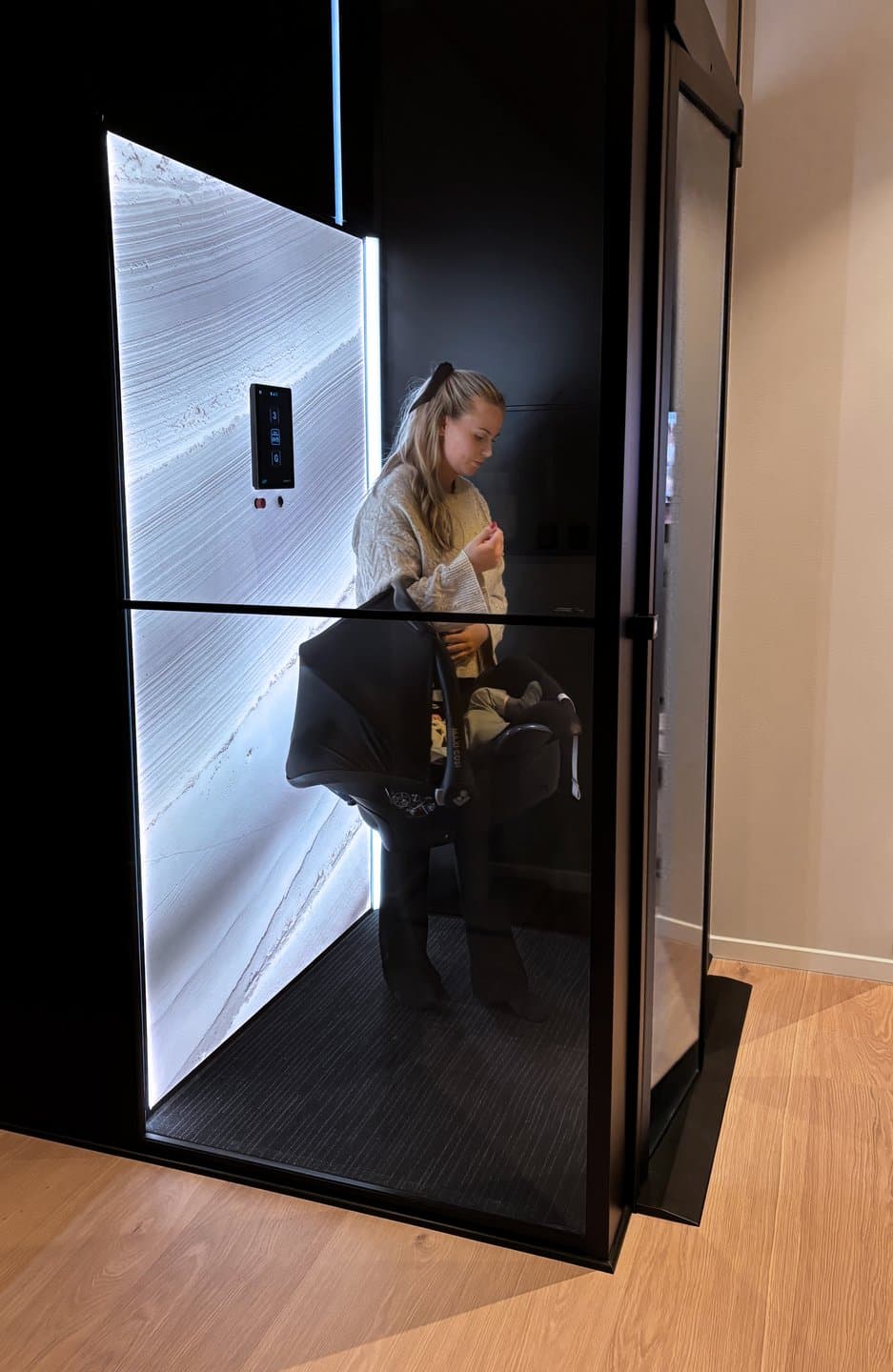
A white Swift Pro beside a pale stone staircase, touch display visible in the car

The short answer

AS1735 is the Australian Standard series for lifts. For a residential lift, AS1735 is what your building surveyor or certifier will want to see, alongside the National Construction Code (NCC). Every home lift we supply is AS1735 compliant.

What AS1735 covers

AS1735 isn't one document. It's a series of parts, each written for a different kind of lift. Two parts come up most often for homes:

  • AS1735.15 is the Australian standard for low-rise platform lifts, written for the class of compact home lift the Swift belongs to. Our Swift Pro and Swift Lite are certified to it.
  • AS1735 Parts 14, 15, 16 and 17 together cover low-rise platform lifts, stair lifts and vertical transport for people with disabilities. They matter for GST, which we cover further down.

AS1735 vs European conformity (EN 81-41)

Many home lifts sold in Australia are designed in Europe, and their brochures quote a European conformity mark. That mark shows the lift meets EN 81-41, the European standard for lifting platforms.

That's good engineering, but it isn't the standard an Australian certifier assesses. In Australia, the relevant standard for a residential lift is AS1735, and for the Swift that's AS1735.15, alongside the NCC. A European conformity mark on its own doesn't answer the certifier's question.

So when you compare quotes, ask each supplier which standard the lift is certified to here, not which standard it was built to overseas. Then ask to see the certificate.

AS1735, the NCC and access requirements

AS1735 sits alongside the National Construction Code, which you may also hear called the BCA. The lifts we build in Brisbane are designed to the AS1735 series and the NCC, and our model pages list the Phoenix, Gemini and Orion as meeting AS1735, NCC and DDA requirements.

Some building-side requirements belong to your builder rather than the lift. For example, where the NCC requires a lift shaft to be fire-rated or smoke-sealed, that work is the builder's. We need to know before manufacture so the structure and door frames suit.
The standard each of our lifts is built to

These are the compliance lines from each model page.

Swift Pro

Type
Home lift
Made
Swedish-engineered
Standard listed on our page
AS1735.15 / EN 81-41

Swift Lite

Type
Home lift
Made
Swedish-engineered
Standard listed on our page
AS1735.15 / EN 81-41

Phoenix Residential

Type
Home lift
Made
Built in Brisbane
Standard listed on our page
AS1735, NCC and DDA requirements

Gemini

Type
Home lift
Made
Built in Brisbane
Standard listed on our page
AS1735, NCC and DDA requirements

Orion Residential

Type
Home lift
Made
Built in Brisbane
Standard listed on our page
AS1735, NCC and DDA requirements

Pioneer

Type
Goods lift
Made
Built in Brisbane
Standard listed on our page
AS1418.8 (goods only)

The Pioneer is a goods lift for carrying goods, not people, so it's built to a different standard, AS1418.8.

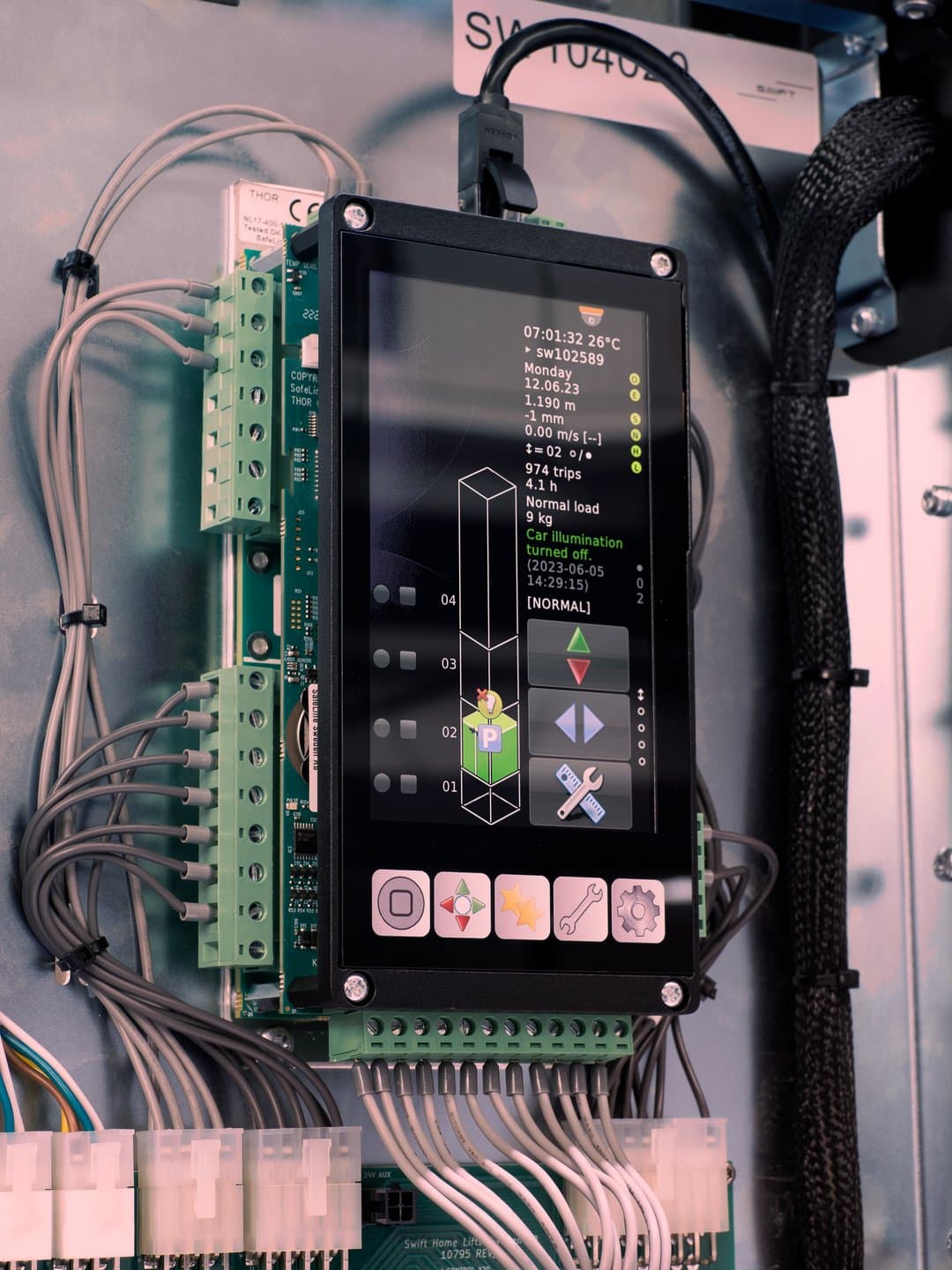
The Thor control system that runs the Swift Pro, mounted and wired

What compliance means for your project

A compliant lift also needs a project that's set up to match. Here's how it works with us.

  • Drawings first. Once the model is confirmed, we prepare free engineering drawings that show the lift well, pit, top-of-shaft needs, clear openings and electrical specifications, ready for your architect, builder, engineer or certifier.
  • Tell us what your certifier needs. Let us know early, so the paperwork is ready at handover.
  • Approvals. Council and building approval rules vary by council and state, and depend on the building works around the lift as much as the lift itself. Ask your certifier or council early. Some lifts and building classes also need registration or extra documentation under work health and safety law. Tell us the building classification and we'll confirm what your job needs.
  • Electrical work. Your licensed electrical contractor installs the dedicated supply and isolator to the current Wiring Rules (AS/NZS 3000). Our installers then connect the lift.
  • Handover. You get the operating instructions, the compliance and commissioning paperwork, and the keys. Keep a copy for your certifier.
Inside an open machine cabinet: the controller, power supplies, hydraulic tank and pump

Safety features on our home lifts

Our model pages list these safety features:

  • Swift Pro and Swift Lite: battery backup that keeps the lift running to a floor in a blackout, two independent brakes, a stop button inside the car, soft start and soft stop, and door sensors that hold the lift until the doorway is clear.
  • Phoenix, Gemini and Orion: an in-car emergency phone and alarm, a manual lowering valve, and emergency battery backup lowering and lighting.

The emergency phone needs a working connection. On new installs we ask for an activated 4G-capable SIM card, or a dedicated phone line at the cabinet, before commissioning.

Keeping a lift compliant

Compliance doesn't stop at handover. We recommend servicing every 12 months for residential lifts and every 6 months for commercial lifts, in line with Australian Standards and manufacturer requirements. Our technicians inspect, test and report on every safety system. Regular servicing also keeps your warranty valid, at the interval shown on each model page. A standard residential service starts from $499 incl. GST in the Brisbane region.

AS1735 and GST

Under current ATO rulings, lifts that comply with AS1735 Parts 14, 15, 16 and 17 are generally GST-free when supplied for personal use by someone with a qualifying medical condition. You'll need a medical certificate or statement from a registered health professional, or documentation showing the lift is for disability access. Our team can help with the paperwork. We're also a registered NDIS provider (4050019140). For model prices, see what a home lift costs.

Questions to ask any lift supplier

  • Which Australian standard is this lift certified to, and can I see the certificate?
  • Is that certification for Australia, or only a European conformity mark?
  • What is your electrical licence number in my state? Ours are Queensland Electrical Licence 54227 and NSW Electrical Licence 477792C.
  • Who services the lift, how often, and where are the spare parts held?

Why Aussie Lifts

We've been making lifts since 1995 and have installed more than 7,000. We build the Phoenix, Gemini and Orion in Brisbane. The Swift range is Swedish-engineered, Aussie Lifts installed, from 8 weeks. Spare parts are held in Brisbane, Sydney, Melbourne and South Australia.

Talk to us

We install across QLD, NSW, the ACT and the NT. Free on-site assessments are available in Brisbane, the Gold Coast, the Sunshine Coast and Sydney/NSW. You can ride a lift at our Sydney showroom in Banksmeadow, see one at our Brisbane showroom and factory in Acacia Ridge, or visit our Melbourne partner showroom at Southern Lifts in Braeside. See where we install.

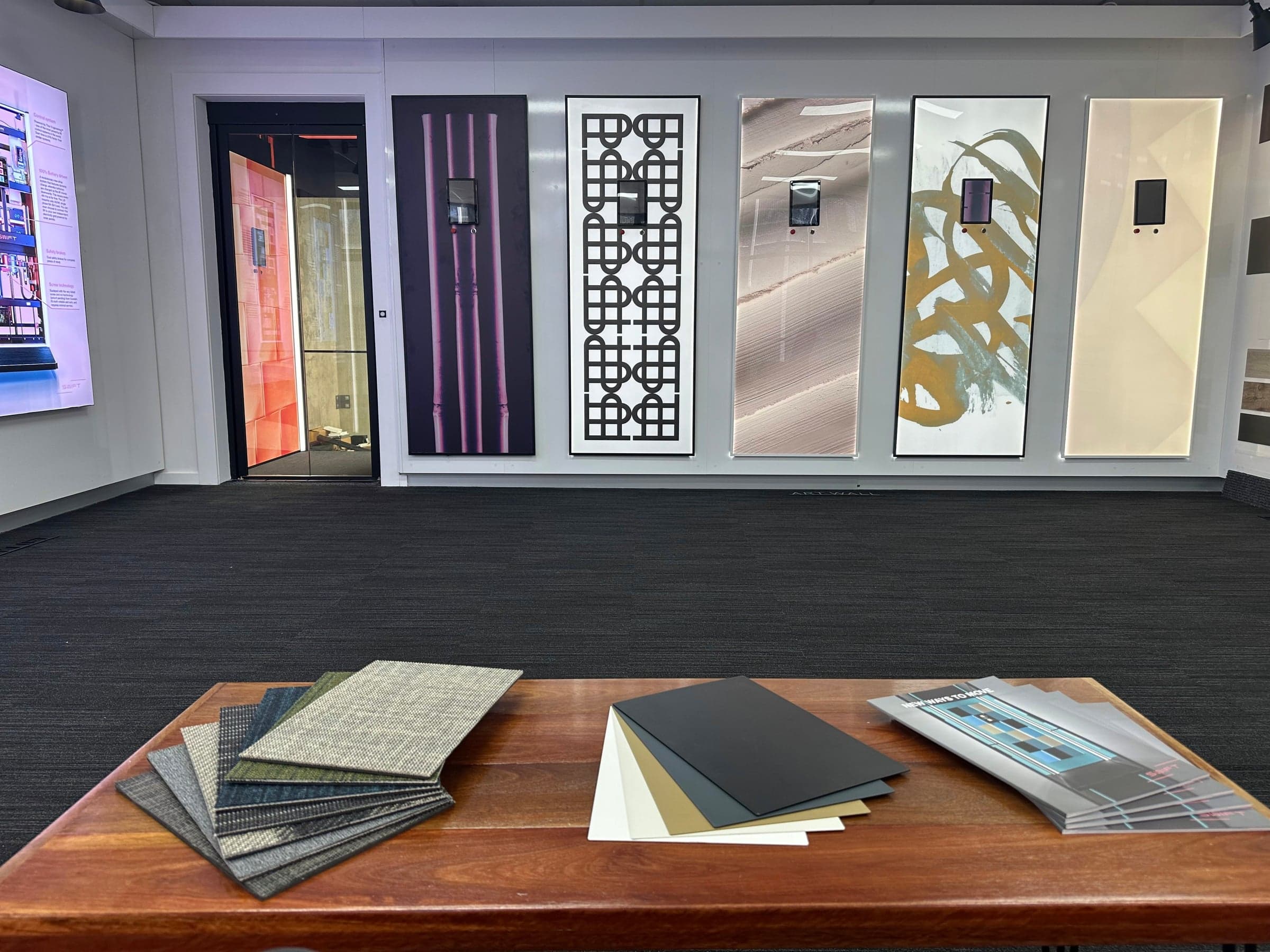
Aussie Lifts Sydney showroom at Banksmeadow, a row of lift wall panel designs behind a table of floor and finish samples

Book a free consultation or call 1800 287 543.

Frequently asked questions.

What is AS1735?
AS1735 is the Australian Standard series for lifts. It's split into parts for different kinds of lift, and for a residential lift it's the standard an Australian certifier will want to see, alongside the National Construction Code.
Which part of AS1735 applies to a home lift?
It depends on the lift. AS1735.15 is the standard for low-rise platform lifts, and our Swift Pro and Swift Lite are certified to it. Our Brisbane-built Phoenix, Gemini and Orion are built to AS1735 and meet NCC and DDA requirements.
Is a lift with European EN 81-41 conformity enough in Australia?
Not on its own. EN 81-41 is the European standard for lifting platforms. An Australian certifier assesses against AS1735, so ask any supplier which standard the lift is certified to here.
Are Aussie Lifts home lifts AS1735 compliant?
Yes. Every home lift we supply is AS1735 compliant. Each model page lists the standard that applies to that lift.
What paperwork will my certifier need for a home lift?
Tell us early what your certifier needs. Our free engineering drawings cover the lift well, pit, headroom and electrical needs, and at handover you get the compliance and commissioning paperwork to keep for your certifier.
Does AS1735 compliance affect GST on a home lift?
It can. Under current ATO rulings, lifts that comply with AS1735 Parts 14, 15, 16 and 17 are generally GST-free when supplied for personal use by someone with a qualifying medical condition, with the right documentation.
How often should a home lift be serviced?
We recommend every 12 months for a residential lift and every 6 months for a commercial lift, in line with Australian Standards and manufacturer requirements.

Related